
What We Address
Trauma changes everything. The way you think, the way you feel, the way you move through the world — and yes, the way you eat. For many men, trauma is the invisible thread running through every disordered eating behavior they have ever experienced. It shows up at the dinner table, in the grocery store aisle, in the middle of the night, and in every moment that food becomes something other than nourishment.
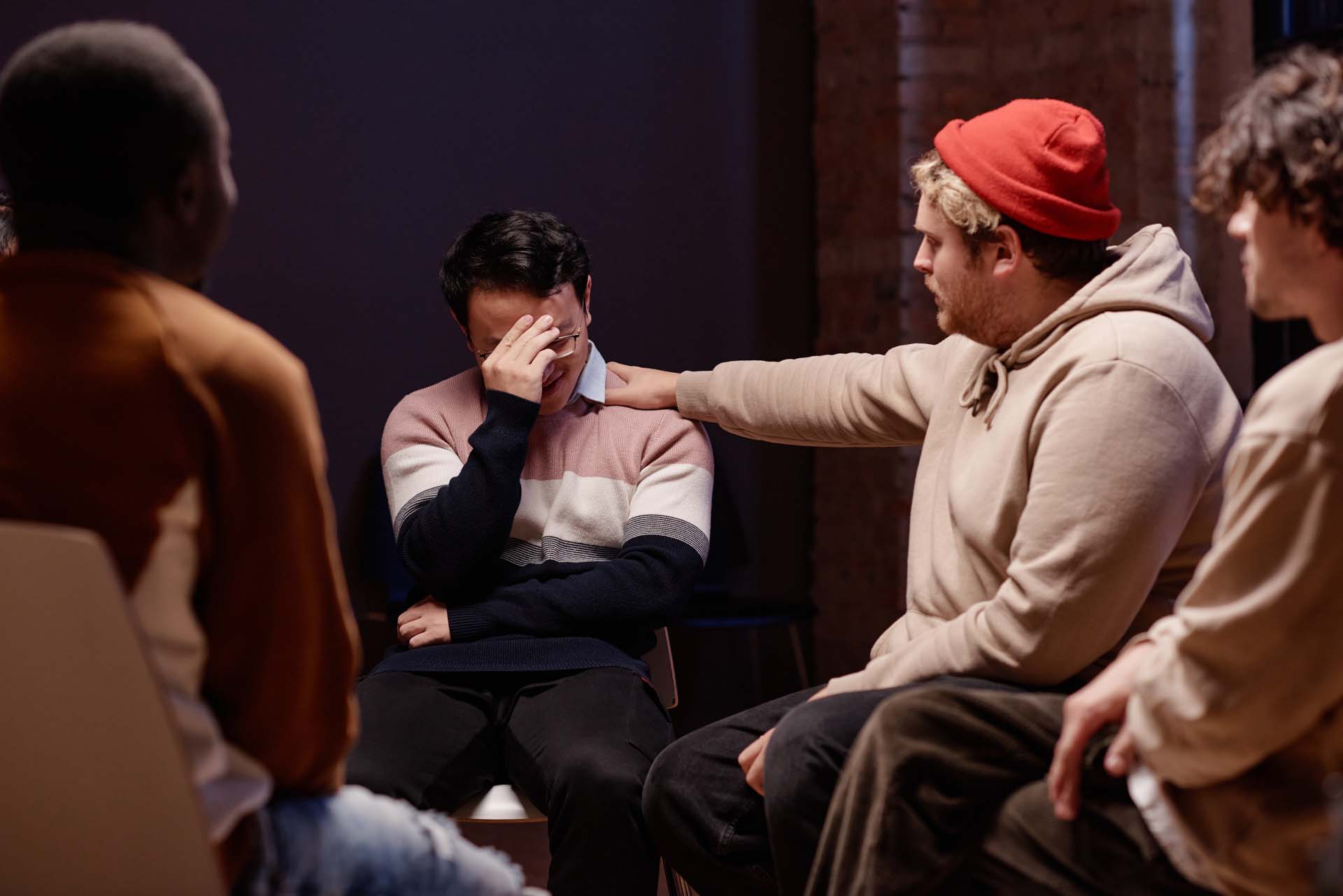
At The Munch Bunch, we understand that trauma does not follow a timeline and it does not announce itself politely. Our peer-led lunch meals create a space where men can begin to unpack the connection between what they have been through and how it is showing up in their lives today — surrounded by others who truly understand.
How Trauma Shapes a Man's Relationship With Food
The link between trauma and disordered eating is one of the most well-documented yet least discussed connections in men’s mental health. Trauma — whether from childhood abuse, violence, loss, military service, accidents, or relational wounds — activates survival responses in the brain and body that can profoundly alter eating behavior.
Some men use food to self-soothe and regulate the overwhelming emotions that trauma leaves behind. Others restrict eating as a way to reclaim a sense of control over a body and life that once felt completely out of their hands. Many oscillate between both. None of these responses are character flaws. They are the body’s way of trying to survive.
Understanding that is the beginning of healing.
Trauma Looks Different in Every Man
There is no single story of trauma. It does not have to be a single catastrophic event to be real and to leave a mark. For many men, trauma is cumulative — built up over years of difficult experiences, unspoken pain, and a world that told them to push through and move on.
At The Munch Bunch, every man’s experience is valid. Whether your trauma is something you have named and worked on for years, or something you are only beginning to recognize, there is a place for you at this table.
Frequently Asked Questions
How does trauma affect eating habits in men?
Trauma dysregulates the nervous system and alters the brain’s relationship with stress, safety, and reward. This directly impacts eating behavior — leading to patterns of restriction, bingeing, emotional eating, or a complete disconnection from hunger and fullness cues. Many men are not even aware that their eating patterns are rooted in trauma until they begin to explore it.
What types of trauma does The Munch Bunch support?
We welcome men who have experienced any form of trauma including childhood abuse, physical or sexual violence, military or combat trauma, grief and loss, relational trauma, and the cumulative effects of chronic stress and adverse life experiences
Is this a trauma therapy group?
No. The Munch Bunch is a peer-led community support group, not a clinical trauma therapy program. We do not provide EMDR, trauma-focused CBT, or any form of clinical treatment. We strongly encourage all members to work with qualified trauma professionals and we are committed to helping connect you to the right level of care.
What if talking about my trauma feels too overwhelming?
You never have to share anything you are not ready to share. Many of our members come simply to be in the presence of others who understand, share a meal, and listen. Healing does not always require words. Showing up is enough.
Can I attend if I am already in trauma therapy?
Absolutely, and we encourage it. Peer community support and professional trauma therapy work powerfully together. Many of our members use The Munch Bunch as a complement to their existing treatment.