Support groups are structured spaces where people with shared experiences come together to talk, listen, learn, and feel less alone.


Support groups are structured spaces where people with shared experiences come together to talk, listen, learn, and feel less alone. They may focus on mental health, eating disorders, trauma, anxiety, depression, ADHD, grief, addiction recovery, relationships, chronic illness, or major life changes.
For many people, a support group offers something different from individual therapy. It provides connection with others who understand the lived experience of a specific challenge. Support groups are not a replacement for medical care, therapy, diagnosis, or crisis support, but they can be a valuable part of a broader healing plan.
What Are Support Groups And How Do They Work?
What are support groups is a common question for people who are considering emotional or mental health support but may not know where to begin.
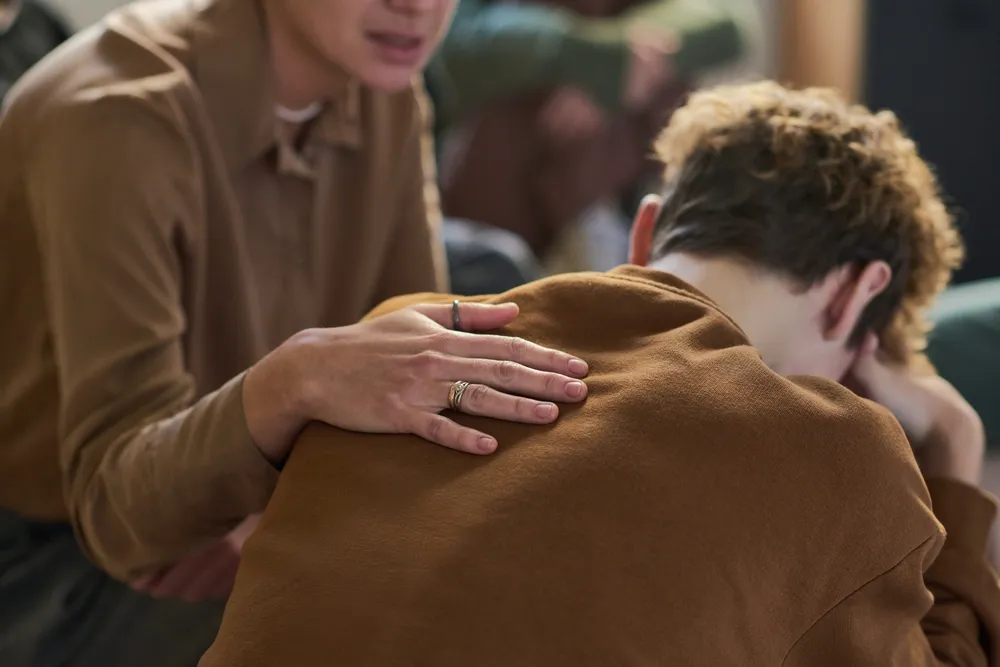
A support group is usually a guided or peer-based meeting where participants share experiences, coping strategies, challenges, and encouragement in a respectful environment.
A Shared Space For People With Similar Experiences
Support groups bring people together around a common need. That shared experience may involve anxiety, depression, eating disorders, trauma, ADHD, relationship stress, or another personal challenge. The power of the group often comes from realizing that others have felt similar confusion, shame, fear, or isolation.
This does not mean every person’s story is the same. A healthy support group respects differences while creating a sense of shared understanding. Participants are not expected to “fix” one another. Instead, they listen, reflect, and support each other through honest conversation.
A Structured Environment With Boundaries
A safe support group should have clear expectations. These may include confidentiality, respectful listening, no interrupting, no shaming, and no pressure to share more than someone is ready to disclose. In mental health spaces, structure matters because people may be discussing sensitive or painful experiences.
Some support groups are peer-led, while others are facilitated by a mental health professional or trained leader. Either format can be helpful when the group is organized, respectful, and focused on emotional safety.
Why Support Groups Can Be Helpful
When people ask what are support groups, they are often really asking whether group support can actually help. For many people, support groups help because they reduce isolation, normalize difficult emotions, and offer encouragement from people who understand the struggle from the inside.
Support Groups Reduce Isolation
Mental health challenges often make people feel alone. Someone may believe they are the only person dealing with intrusive thoughts, food anxiety, body image distress, grief, panic, or shame. Hearing others speak honestly can challenge that isolation.
This shared recognition can be deeply relieving. It helps people move from “something is wrong with me” toward “I am struggling, and I am not alone.”
Support Groups Offer Emotional Validation
Validation does not mean agreeing with every thought or behavior. It means recognizing that someone’s feelings make sense in the context of what they have experienced. For people dealing with trauma, eating disorders, anxiety, or depression, validation can be an important step toward healing.
The National Institute of Mental Health explains that people struggling emotionally can seek help through multiple pathways, including professional care and support resources. A support group can be one part of that wider support system.
Different Types Of Support Groups
Understanding what are support groups also means knowing that not every group is the same.

Different formats serve different needs, and the right fit depends on the person’s symptoms, goals, identity, and comfort level.
Peer Support Groups
Peer support groups are often led by people with lived experience. These groups can feel relatable because participants may share similar struggles and recovery journeys. Peer support can be especially helpful for reducing shame and building community.
However, peer groups should still have clear boundaries. A group that becomes unstructured, triggering, or advice-heavy may not feel safe for everyone. The best peer spaces encourage support without turning participants into therapists for one another.
Clinician-Led Support Groups
Clinician-led support groups are facilitated by therapists, counselors, or trained professionals. These groups may include emotional processing, coping skills, education, and structured discussion. They can be helpful for people who want a more guided experience.
For people dealing with complex mental health concerns, clinician-led groups may provide more containment and safety than informal peer groups.
Identity-Based Or Specialized Groups
Some support groups are designed for specific communities or concerns. Examples include men’s groups, eating disorder groups, trauma groups, ADHD groups, LGBTQ+ groups, grief groups, or caregiver groups. Specialized groups can make it easier for participants to feel understood without having to explain the basics of their experience.
What Support Groups Are Not
A support group can be meaningful, but it has limits. Knowing those limits helps people use group support safely and responsibly.
Support Groups Are Not Emergency Care
If someone is in immediate danger, considering self-harm, experiencing a medical emergency, or unable to stay safe, a support group is not the right first step. Emergency services or crisis resources should be contacted immediately.
Support groups can help people cope over time, but they are not designed for crisis stabilization. The SAMHSA National Helpline provides confidential treatment referral and information support for mental health and substance use concerns.
Support Groups Are Not A Replacement For Therapy
Support groups may complement therapy, but they do not replace individualized treatment. A therapist can provide diagnosis, treatment planning, trauma work, clinical assessment, and personalized care that a support group cannot provide.
For many people, the best approach is both: professional care for individualized support and a group for community, connection, and shared understanding.
Who Can Benefit From A Support Group?
People ask what are support groups because they may wonder whether they “qualify” for one. In many cases, anyone who feels isolated, overwhelmed, or in need of shared support around a specific challenge may benefit from the right group.
People Managing Mental Health Challenges
Support groups can help people navigating anxiety, depression, ADHD, OCD, trauma, or eating disorders. These groups can provide a place to talk about daily struggles, coping tools, and emotional patterns with people who understand.
People Healing From Trauma Or Relationship Pain
Trauma and relational wounds can make people feel disconnected from others. A group can help restore a sense of safety and connection when it is facilitated carefully. Munch Bunch Club offers support connected to trauma, childhood abuse, and relationships, recognizing that emotional pain often affects more than one part of life.
Two Overlooked Benefits Of Support Groups
Beyond conversation and emotional support, support groups can create long-term growth in ways people may not expect.

These benefits often develop slowly as participants feel safer and more connected.
Practicing Healthy Vulnerability
Many people are used to hiding their struggles. In a safe group, they can practice saying what is true without being judged. This kind of vulnerability can be especially meaningful for men, who are often taught to minimize emotional pain or handle problems silently.
Over time, practicing vulnerability in a safe setting may help people communicate more honestly in therapy, friendships, relationships, and daily life.
Learning From Lived Experience
Support groups allow people to hear what has helped others. This might include coping strategies, communication tools, grounding techniques, meal support practices, or ways to handle difficult days. While advice should never replace professional treatment, shared experience can offer practical insight and hope.
How To Choose A Safe Support Group
When someone asks what are support groups, the next important question is how to choose the right one. A safe group should feel respectful, structured, and aligned with your needs.
Look For Clear Guidelines
A good support group should explain expectations before or during the first meeting. Guidelines may cover confidentiality, respectful sharing, crisis limitations, and how triggering topics are handled. This helps create trust and reduces the risk of emotional harm.
Choose A Group That Fits Your Experience
The best support group is not always the biggest or most convenient one. It is the one that fits your needs. A person dealing with eating disorder recovery may need meal-related support. Someone with trauma may need a trauma-informed environment. Someone struggling with men’s mental health stigma may benefit from a male-centered space.
Why Munch Bunch Club’s Group Model Is Unique
Munch Bunch Club answers the question what are support groups through a specific, practical model: a male-centered eating disorder lunch support group. This makes the experience different from a general discussion-only support space.
Support Built Around A Real Meal
For people with eating disorders, meals can be emotionally intense. A lunch support group creates a structured environment where participants can practice eating with others while also receiving emotional support. This helps connect recovery conversations to real-life behavior.
Munch Bunch Club’s focus on eating disorders reflects the reality that recovery is not just about talking. It is also about rebuilding trust around food, the body, and community.
A Male-Centered Space For Honest Conversation
Men with eating disorders are often underrecognized and underserved. A male-only lunch support group can reduce shame by giving men a space where they do not have to explain why their struggle is real. They can talk about food, body image, control, anxiety, relationships, and recovery in a room designed for their experience.
FAQ
What Are Support Groups?
Support groups are structured spaces where people with shared experiences come together to talk, listen, learn, and support one another.
Are Support Groups The Same As Therapy?
No. Support groups can complement therapy, but they do not replace professional diagnosis, treatment, crisis care, or individualized mental health support.
Who Should Join A Support Group?
People who feel isolated, overwhelmed, or in need of shared support around a specific issue may benefit from a group that fits their needs.
Are Support Groups Confidential?
Many support groups have confidentiality guidelines, but policies vary. It is important to ask about privacy expectations before joining.
Can Support Groups Help With Eating Disorders?
Yes, support groups can help reduce isolation and provide encouragement, but eating disorders may also require professional medical, therapeutic, and nutritional care.
Conclusion
So, what are support groups? They are supportive spaces where people can connect around shared challenges, reduce isolation, build coping skills, and feel understood. When structured safely, they can become an important part of emotional healing, especially alongside therapy or professional care.
Munch Bunch Club brings this support model into a focused, much-needed space for men. As New York’s first all-male eating disorder lunch support group, it helps men practice connection, conversation, and meal support in a setting built around understanding rather than shame. To learn more, explore Munch Bunch Club’s eating disorder support services or schedule an appointment.