Betrayal trauma can happen when someone you trusted deeply breaks that trust in a way that affects your emotional safety, identity, relationships, and sense of stability.


Betrayal trauma can happen when someone you trusted deeply breaks that trust in a way that affects your emotional safety, identity, relationships, and sense of stability. This may involve infidelity, deception, emotional abuse, abandonment, secrecy, manipulation, or other relational wounds that leave you questioning what was real.
A support group can be helpful because betrayal often creates isolation. You may feel embarrassed, confused, angry, numb, or unsure whether your reactions are “too much.” A safe group can help you understand that your response makes sense and that healing does not have to happen alone.
What Is A Betrayal Trauma Support Group?
A betrayal trauma support group is a structured support space where people can talk about the emotional impact of broken trust, relational harm, and trauma responses.
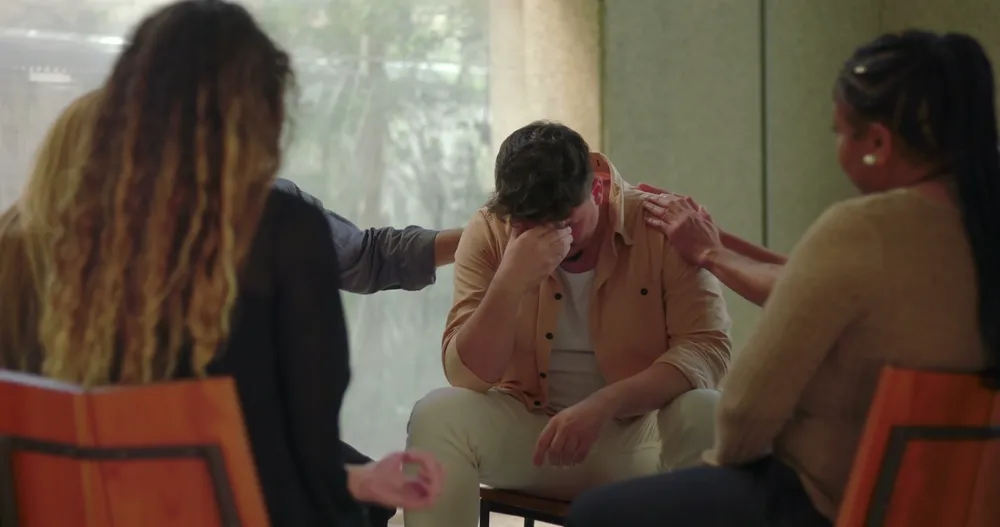
It is not a replacement for therapy or medical care, but it can complement professional support by providing connection, validation, and shared understanding.
A Safe Place To Talk About What Happened
Betrayal trauma can be difficult to explain to people who have not experienced it. You may find yourself repeating the story, defending your feelings, or minimizing the pain to make others comfortable. A support group gives you a space where people are more likely to understand the confusion, grief, anger, shame, and emotional shock that can follow betrayal.
A Group That Helps You Feel Less Alone
Isolation can make betrayal trauma feel heavier. In a group, hearing others describe similar thoughts and emotions can reduce the sense that something is wrong with you. Instead of feeling like you are overreacting, you may begin to recognize your symptoms as part of a trauma response that deserves care and attention.
Why A Betrayal Trauma Support Group Can Help You Heal
A betrayal trauma support group can help you process what happened in a way that feels grounded and supported. Healing from betrayal is not just about “moving on.” It often involves rebuilding safety, learning to trust your own perceptions, and understanding how the experience affected your nervous system, relationships, and self-worth.
It Gives Language To Confusing Emotions
After betrayal, emotions can change quickly. You may feel grief one moment, anger the next, and numbness soon after. A group can help you name these experiences instead of feeling lost inside them. This language can make it easier to communicate with a therapist, partner, friend, or loved one when you are ready.
It Helps Reduce Shame
Many people blame themselves after betrayal. They wonder why they did not see signs earlier, why they stayed, why they reacted strongly, or why they still miss the person who hurt them. A healthy support group can help challenge self-blame and remind you that betrayal trauma is about the rupture of trust, not personal failure.
How Betrayal Trauma Affects The Mind And Body
Betrayal trauma can affect more than your emotions. It can influence sleep, appetite, concentration, digestion, energy, and your ability to feel safe around others.
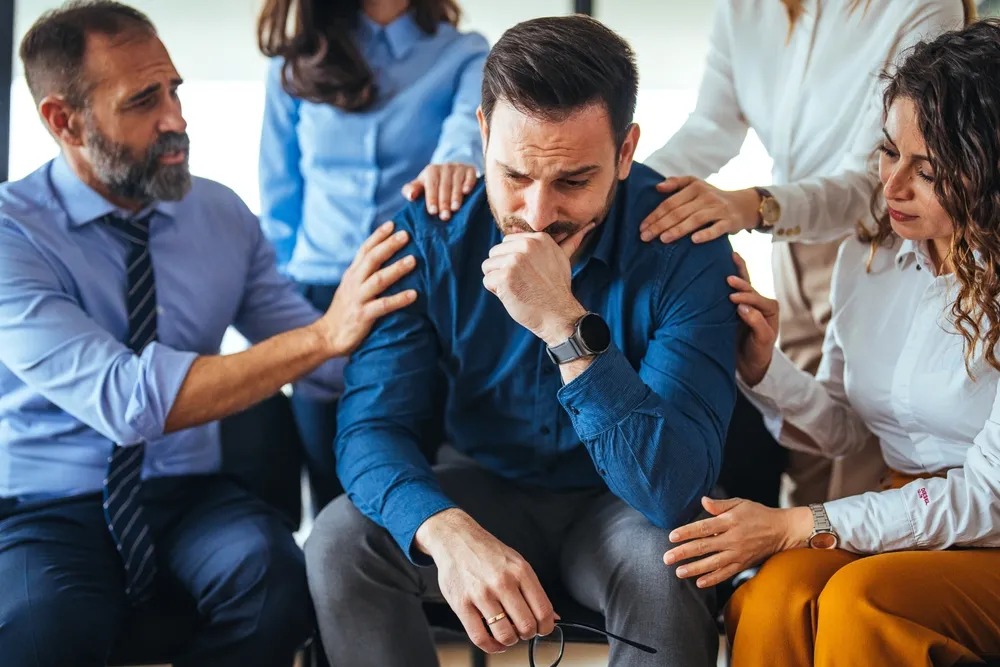
Trauma-related stress may also overlap with anxiety, depression, relationship distress, or disordered eating patterns.
Emotional And Cognitive Symptoms
People dealing with betrayal trauma may experience racing thoughts, intrusive memories, difficulty concentrating, emotional numbness, mood swings, and intense fear of being deceived again. Some people replay conversations or search for details because the mind is trying to make sense of what happened.
The National Institute of Mental Health provides information on coping after traumatic events and explains that ongoing distress, sleep issues, and difficulty functioning may be signs that additional support is needed.
Physical And Behavioral Symptoms
Betrayal can create physical stress responses such as fatigue, stomach discomfort, muscle tension, appetite changes, or restlessness. Some people cope by withdrawing, overworking, checking for reassurance, controlling food, avoiding meals, or struggling with body image. When trauma affects eating patterns, support connected to eating disorders may be especially important.
What You Can Expect In A Betrayal Trauma Support Group
A betrayal trauma support group should feel respectful, structured, and emotionally safe. The goal is not to force disclosure or relive painful details, but to create a space where participants can feel seen, supported, and less alone.
Shared Conversation With Boundaries
A healthy group should have clear expectations around confidentiality, respectful listening, and emotional safety. Participants may share what they are comfortable sharing, but no one should be pressured to reveal details before they are ready. Boundaries are especially important for trauma recovery because safety is part of the healing process.
Support Without Judgment
Good support does not rush you into forgiving, leaving, staying, confronting, or making major decisions before you are ready. Instead, a supportive group helps you reconnect with your own needs and values. This matters because betrayal trauma often makes people doubt their judgment.
Betrayal Trauma, Relationships, And Trust
A betrayal trauma support group can be especially helpful because betrayal often damages your ability to trust yourself and others.
Even future relationships may feel unsafe, confusing, or emotionally risky.
Rebuilding Trust In Yourself
One of the hardest parts of betrayal is feeling like your instincts failed you. A group can help you rebuild confidence in your perceptions by giving you space to reflect, name patterns, and understand how manipulation or secrecy may have affected your sense of reality.
Understanding Relationship Patterns
Betrayal trauma may bring up older wounds, attachment patterns, or fears around abandonment. Support related to relationships can help people explore how betrayal affects communication, boundaries, intimacy, and future trust.
Two Additional Benefits Of Joining A Betrayal Trauma Support Group
Beyond emotional support, a betrayal trauma support group can help you build skills that make healing more sustainable. These benefits often develop gradually as you feel safer in the group environment.
Learning Grounding Tools From Others
People in support groups often share practical coping tools that helped them get through difficult moments. These may include grounding exercises, journaling prompts, boundary scripts, breathing techniques, or ways to manage triggers after difficult conversations. These tools do not erase trauma, but they can make daily life feel more manageable.
Having A Place To Practice Healthy Boundaries
Betrayal often damages boundaries. A group can become a place where you practice saying what you need, choosing what to share, and recognizing when something feels unsafe. Practicing boundaries in a supportive setting can help you apply them in daily life.
When A Support Group Is Not Enough On Its Own
A betrayal trauma support group can be powerful, but it should not replace professional treatment when symptoms are severe, unsafe, or overwhelming. Trauma can affect mental health in serious ways, and some people need one-on-one care, medical support, or crisis help.
Signs You May Need Professional Support
Consider professional help if you are unable to function, experiencing panic, self-harm thoughts, intense depression, severe sleep disruption, disordered eating, substance misuse, or ongoing fear for your safety. Support for anxiety, depression, or childhood abuse may also be relevant if betrayal connects to deeper patterns or past trauma.
Why Trauma-Informed Care Matters
A trauma-informed approach recognizes that safety, choice, collaboration, and empowerment are essential in recovery. The Substance Abuse and Mental Health Services Administration offers resources on trauma-informed approaches and why supportive environments matter for people affected by trauma.
How Munch Bunch Club Connects Trauma, Food, And Men’s Support
Munch Bunch Club understands that trauma does not always show up in one neat category. For many men, emotional distress can affect eating patterns, body image, control, relationships, and the ability to sit with others during meals.
Why Male-Centered Support Matters
Men are often taught to stay silent about emotional pain, betrayal, fear, and shame. This can make trauma feel even more isolating. A male-centered support environment can help reduce stigma and make it easier to talk honestly about what is happening internally.
Why Lunch-Based Support Can Be Meaningful
As New York’s first all-male eating disorder lunch support group, Munch Bunch Club creates a space where men can practice connection around food, vulnerability, and recovery. For men whose trauma affects eating, control, shame, or body image, the lunch setting can make support feel practical rather than abstract.
FAQ
What Is A Betrayal Trauma Support Group?
A betrayal trauma support group is a supportive group setting where people discuss the emotional impact of broken trust, relational trauma, and recovery in a safe and structured environment.
Is A Support Group A Replacement For Therapy?
No. A support group can complement therapy, but it should not replace professional mental health care, medical treatment, or crisis support when needed.
Can Betrayal Trauma Cause Anxiety Or Depression?
Yes, betrayal trauma can contribute to anxiety, depression, sleep problems, intrusive thoughts, and difficulty trusting others. Professional support may be important if symptoms interfere with daily life.
Do Men Experience Betrayal Trauma Differently?
Men may experience similar symptoms but may be less likely to talk about them because of stigma, shame, or pressure to appear unaffected. Male-centered support can help reduce that barrier.
How Do I Know If A Betrayal Trauma Support Group Is Right For Me?
A group may be right for you if you feel isolated, overwhelmed, ashamed, or stuck after betrayal and want a supportive space to process your experience alongside others.
Conclusion
A betrayal trauma support group can help you feel less alone, understand your reactions, rebuild self-trust, and develop healthier ways to cope after relational harm. While it is not a substitute for professional care, the right support group can be a valuable part of healing, especially when it is structured, respectful, and trauma-informed.
Munch Bunch Club offers a unique space for men who need support around eating disorders, trauma, anxiety, relationships, and emotional recovery. As New York’s first all-male eating disorder lunch support group, it recognizes that healing often happens through connection, safety, and honest conversation. To take the next step, explore Munch Bunch Club’s trauma support services or schedule an appointment.