Yes, people with eating disorders can have support groups, and for many, the right group can offer connection, structure, and a sense of being understood.


Yes, people with eating disorders can have support groups, and for many, the right group can offer connection, structure, and a sense of being understood. If you are asking do people with eating disorders have a support group, the answer is yes, but the best fit depends on the person’s needs, diagnosis, comfort level, identity, and whether they also need professional treatment.
Eating disorder support groups are not a replacement for medical care, therapy, nutrition counseling, or emergency support. However, they can be a meaningful part of recovery when they are safe, structured, and supportive. This is especially important for men, who are often underrepresented in eating disorder conversations and may feel isolated in mixed-gender recovery spaces.
Do People With Eating Disorders Have A Support Group For Recovery?
Do people with eating disorders have a support group as part of recovery? Many do, and support groups can provide a space where people talk about food anxiety, body image, shame, social pressure, relapse fears, and the emotional side of recovery.
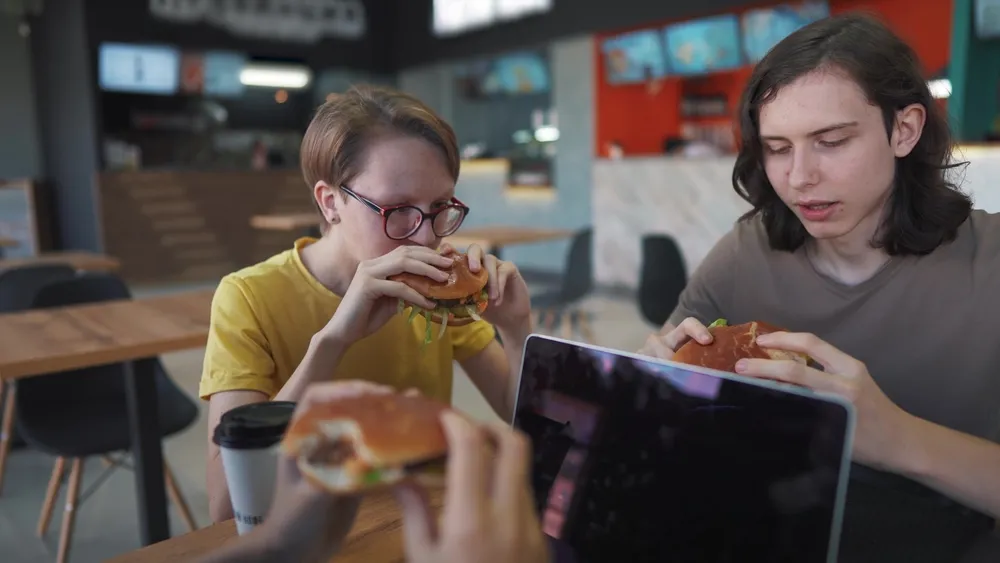
These groups may be peer-led, clinician-led, in-person, virtual, diagnosis-specific, or identity-specific.
How Eating Disorder Support Groups Work
Eating disorder support groups usually bring people together around shared experiences. Participants may discuss challenges, coping tools, emotional triggers, meal-related stress, and recovery goals. A good support group should feel structured and respectful, with clear expectations around confidentiality, nonjudgmental listening, and avoiding harmful details such as calorie counts, weights, or competitive behaviors.
Why Support Groups Can Help Reduce Isolation
Eating disorders often thrive in secrecy. Many people feel ashamed, misunderstood, or afraid to talk openly about what they are experiencing. A support group can reduce that isolation by reminding participants that they are not the only ones struggling. For men in particular, hearing other men speak honestly about eating, body image, control, anxiety, and recovery can be powerful.
Do People With Eating Disorders Have A Support Group Specifically For Men?
Do people with eating disorders have a support group specifically for men? Yes, some groups are designed around men’s experiences, and these spaces can be especially valuable because eating disorders are often wrongly viewed as only affecting women.

Men may experience eating disorders through restriction, bingeing, purging, compulsive exercise, muscle-focused body image concerns, or secrecy around food.
Why Male-Focused Support Matters
Many men delay seeking help because they do not recognize their symptoms as an eating disorder or because they feel embarrassed to talk about food and body image. A male-focused group can reduce stigma by creating a room where men do not have to explain why their struggle is real. They can speak more openly about pressure to look strong, lean, disciplined, or in control.
The National Institute of Mental Health eating disorder resource explains that eating disorders are serious health conditions, and they can affect people across different backgrounds. Male-focused support can help challenge outdated stereotypes and make recovery conversations more accessible.
Why A Lunch Support Group Can Be Different
A lunch support group adds a practical recovery element because it happens around a real meal. For someone with an eating disorder, eating with others can feel stressful, exposing, or emotionally loaded. A structured lunch group can help normalize eating in community while offering emotional support before, during, and after the meal.
Munch Bunch Club is built around this exact need as New York’s first all-male eating disorder lunch support group. It offers a setting where men can show up, eat, connect, and practice recovery in a supportive environment.
What Types Of Eating Disorder Support Groups Exist?
When people ask do people with eating disorders have a support group, they may not realize how many formats exist. The right group depends on where someone is in recovery, what kind of support they need, and how comfortable they feel in different environments.
Peer Support Groups
Peer support groups focus on shared lived experience. These spaces can help participants feel less alone and more understood. They are often best used as one part of a broader care plan, especially when symptoms are active or medically risky.
Therapist-Led Or Clinician-Facilitated Groups
Clinician-facilitated groups may offer more structure and therapeutic guidance. They can help participants identify patterns, practice skills, and stay grounded during difficult conversations. These groups may be helpful for people who need more support than an informal peer group can provide.
Identity-Based Or Specialized Groups
Some groups focus on specific populations, such as men, LGBTQ+ individuals, teens, athletes, or people with binge eating disorder. Specialized groups can feel safer because participants often share similar social pressures, shame patterns, or recovery barriers.
When A Support Group Is Helpful And When More Care Is Needed
Do people with eating disorders have a support group that is enough by itself? Sometimes support groups are helpful, but they are usually not enough for moderate or severe symptoms. Eating disorders can affect the heart, digestion, hormones, mood, and overall physical safety, so professional care may be necessary.
Signs A Support Group May Be A Good Addition
A support group may be a good addition when someone feels isolated, wants accountability, struggles with meal-related anxiety, or needs community alongside therapy or medical care. It can also help when someone is transitioning from more intensive treatment into daily life and wants ongoing connection.
Signs Professional Treatment Is Urgent
Professional help is important if someone is fainting, rapidly losing weight, purging, abusing laxatives, bingeing frequently, exercising compulsively, feeling out of control around food, or having thoughts of self-harm. In a crisis or medical emergency, contact emergency services immediately. A support group can be valuable, but it should not replace urgent medical or mental health care.
How To Choose A Safe Eating Disorder Support Group
Finding the right group matters. A poorly structured group can feel triggering, while a thoughtful group can feel grounding and supportive. Safety should always come before convenience.

Look For Clear Group Guidelines
A safe support group should have rules around confidentiality, respectful language, and avoiding triggering specifics. Discussions should focus on feelings, recovery, coping, and support rather than numbers, comparisons, or harmful behaviors.
Choose A Group That Fits Your Identity And Needs
Some people feel comfortable in mixed groups. Others may need a male-only, trauma-informed, anxiety-aware, or meal-based space. Munch Bunch Club offers support connected to eating disorders while also recognizing that many people experience overlapping issues like anxiety, depression, trauma, ADHD, or relationship stress.
Two Overlooked Benefits Of Eating Disorder Support Groups
Support groups are often described as places to talk, but their value can go deeper than conversation. The right group can help reshape how someone experiences food, identity, and connection.
Practicing Vulnerability Without Shame
Many people with eating disorders become experts at hiding. A support group creates a space where honesty can be practiced gradually. For men, this can be especially important because vulnerability is often discouraged or misunderstood. Being able to say “I am struggling” and still be accepted can be a meaningful recovery experience.
Rebuilding Trust Around Food And Community
Eating disorders can make meals feel isolating or stressful. A lunch-based group helps rebuild the idea that eating can happen with support rather than fear. Over time, this can help participants feel less alone during meals and more connected to their bodies, needs, and values.
How Munch Bunch Club Supports Men With Eating Disorders
Munch Bunch Club is designed for men who need more than advice and more than silence. It creates a meal-centered support environment where men can connect around recovery in a way that feels practical, human, and grounded.

A Male-Focused Lunch Support Group In New York
As New York’s first all-male eating disorder lunch support group, Munch Bunch Club provides a space where men can face meal-related challenges without feeling out of place. The group setting helps reduce shame and makes room for honest conversation around food, masculinity, body image, and recovery.
Support That Recognizes The Whole Person
Eating disorders often overlap with anxiety, trauma, depression, ADHD, OCD, and relationship struggles. Munch Bunch Club’s wider service focus includes areas such as trauma, ADHD, OCD, and relationships, helping frame eating disorder recovery as part of a broader emotional and mental health picture.
FAQ
Do People With Eating Disorders Have A Support Group?
Yes. People with eating disorders can join peer support groups, therapist-led groups, online groups, identity-based groups, and meal-based groups depending on their needs.
Are Eating Disorder Support Groups A Replacement For Therapy?
No. Support groups can be helpful, but they do not replace therapy, medical care, nutrition support, or emergency treatment when needed.
Are There Eating Disorder Support Groups For Men?
Yes. Male-focused eating disorder groups exist, and they can be especially helpful for men who feel unseen in traditional recovery spaces.
What Happens In An Eating Disorder Lunch Support Group?
A lunch support group provides support around eating in community. Participants may share experiences, practice accountability, and receive emotional support before, during, or after a meal.
How Do I Know If I Need More Than A Support Group?
If symptoms are worsening, medically risky, or interfering with daily life, professional care is important. Warning signs include fainting, purging, rapid weight change, compulsive exercise, severe restriction, or thoughts of self-harm.
Conclusion
So, do people with eating disorders have a support group? Yes, and the right support group can make recovery feel less isolating, especially for men who may not see themselves reflected in traditional eating disorder spaces. A safe group can offer connection, accountability, meal support, and a place to speak honestly without shame.
Munch Bunch Club was created to meet that need in a direct and meaningful way. As New York’s first all-male eating disorder lunch support group, it gives men a space to show up, share, eat, and rebuild trust around food and community. If you or someone you care about is looking for male-centered support, explore Munch Bunch Club’s eating disorder support services and take a step toward recovery in a room built for understanding.